
Logan County 72 Hour Booking Records
Logan County sits on Colorado's northeastern plains, with Sterling as the county seat in this agricultural region. The Logan County Sheriff's Office maintains 72 hour booking records at their facility on Riverview Road. These public records document recent arrests and jail admissions. Residents, attorneys, and families use this information to track inmates and understand local criminal justice activity near the Nebraska and Kansas borders.
Finding Logan County 72 Hour Booking Records
The sheriff's office serves as the main source for booking information. Their address is 110 Riverview Rd, Sterling, CO 80751. Staff assist with inquiries during regular business hours. Phone contact provides quick answers.
The Logan County Sheriff's website may offer online resources. Many counties provide digital access to recent bookings. Check their portal for current inmate listings. Online systems typically update daily.
In-person visits allow direct access to records. The Sterling office welcomes walk-in visitors. Staff can provide booking details upon request. Identification may be required for detailed records.
Phone calls work for quick status checks. Have the person's full name ready. Birth dates help confirm identity. Staff can verify custody status. They may provide bond information over the phone.
Logan County 72 Hour Booking Details Explained
Each booking creates a record with multiple data points. The arrest date and time appear first. Booking numbers track the case through the system. These remain constant even if charges change.
Personal information includes the full legal name. Date of birth confirms identity. Physical descriptors may appear. Home addresses are sometimes listed.
Charge information details the alleged offenses. Statute numbers reference Colorado law. Charge descriptions explain the accusations. Felony charges differ from misdemeanors. Municipal violations may appear separately.
Bond and release information matters most to families. The bond amount appears if set. Bond types include cash, surety, or PR. Release dates show when someone left custody. Court dates may be included.
Note: Bond amounts can change as cases progress, so verify current requirements before attempting to post bail.
Sterling and Logan County Area Context
Sterling anchors the county as its largest community. This city sits along the South Platte River in northeastern Colorado. The Logan County Sheriff's Office covers extensive rural territory. Agriculture dominates the local economy.
Northeastern Junior College brings students to the area. This affects booking patterns during academic terms. The 72 hour roster reflects this student population. Local residents make up most entries year-round.
Rural policing requires adaptability. Deputies patrol vast agricultural areas. Response times vary by distance. The county jail holds inmates from across the region.
Interstate 76 runs through the county. Highway traffic occasionally contributes to bookings. Most arrests involve local community members. The roster shows these patterns.
Searching Logan County 72 Hour Booking Records Online
Digital access varies by county resources. Some offer real-time inmate searches. Others post daily rosters. The sheriff's website indicates available options. Check for current listings.
Search functions typically accept names. Some allow date range filtering. Booking numbers work when known. Partial name searches help with spelling variations. Results show basic custody information.
Third-party sites may aggregate booking data. These could include Logan County 72 hour booking records. Verify through official channels. Timeliness varies on commercial platforms.
Mobile access helps families stay informed. Many sheriff's sites work on phones. This flexibility aids residents who may travel to visit the facility.
Legal Framework for Accessing Logan County Records
Colorado law ensures public access to booking information. The Colorado Open Records Act establishes the right to inspect documents. C.R.S. § 24-72-301 covers criminal justice records. These statutes balance transparency with privacy.
Booking records fall within public access. Mugshots are generally available. Charge information is public. Some details remain protected. Medical information stays confidential. Juvenile records have special protections.
The Colorado Bureau of Investigation maintains broader criminal history files. These include convictions statewide. They differ from daily booking rosters. CBI checks require fees and consent.
Understanding these distinctions helps users. The 72 hour roster shows recent bookings only. It does not indicate guilt. Presumption of innocence applies to all entries.
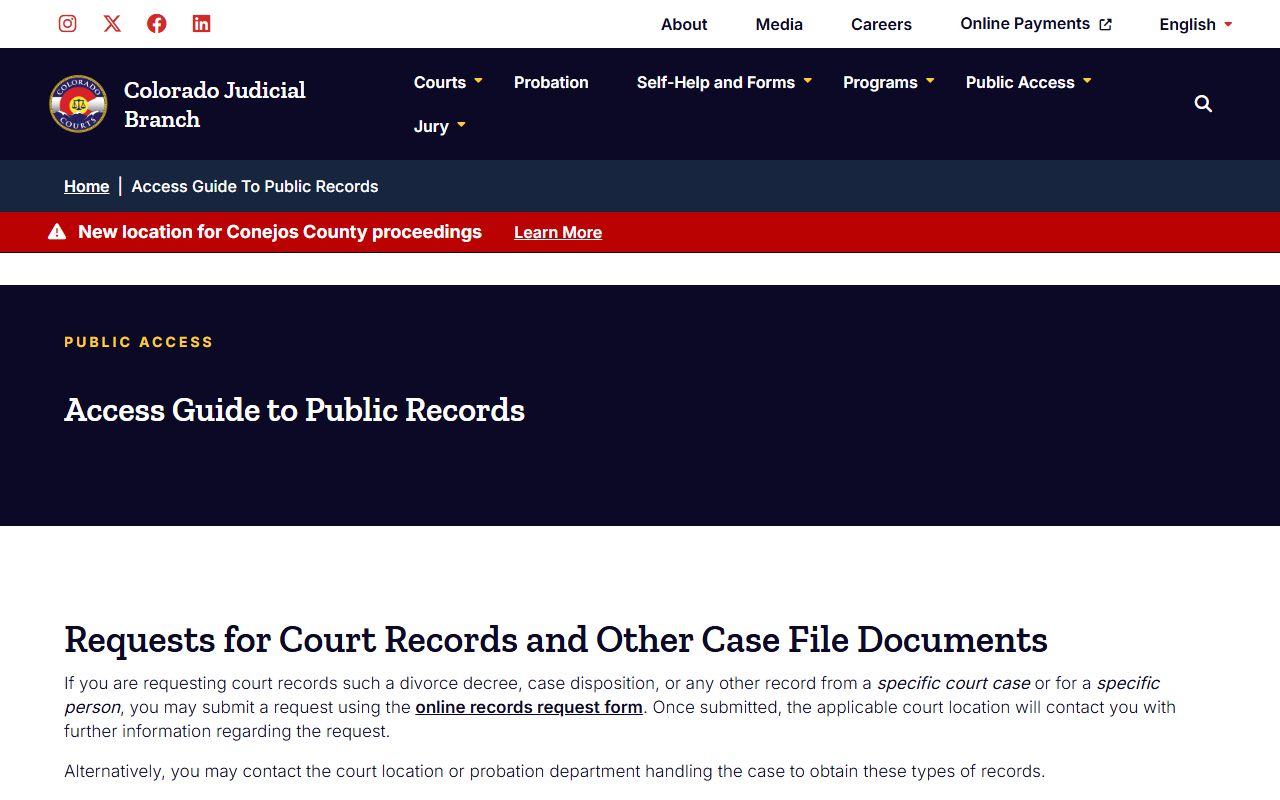
The Colorado Judicial Branch provides court records that complement booking information for Logan County cases.
Working with Logan County 72 Hour Booking Data
Accuracy matters in record searches. Double-check spellings before searching. Try alternative spellings if needed. Confirm birth dates when possible. This reduces false matches.
Timing affects search results. The 72 hour window means constant turnover. Morning searches differ from evening ones. Weekend bookings may process differently.
Document what you find. Save booking numbers. Note charge descriptions. Record court dates if shown. This information helps attorneys and families.
Follow up appropriately. Released inmates drop off the roster. Their cases continue in court. Use case numbers to track progress. The Colorado Judicial Branch provides court records.
Support Resources in Logan County
Legal aid serves northeastern Colorado. Colorado Legal Services assists eligible residents. They help understand charges and rights. Public defenders represent indigent defendants.
Victim support programs offer assistance. The district attorney's office coordinates services. They provide case updates to victims. Counseling referrals are available.
Bail bonds agents operate in the region. They know the Logan County system. These professionals explain the release process. They help families navigate bonds.
Community resources aid reentry. Local organizations help former inmates. Job assistance programs exist. Housing resources support transition.