
Kiowa County 72 Hour Booking Records
Kiowa County sits on Colorado's eastern plains, with Eads serving as the county seat. The Kiowa County Sheriff's Office maintains 72 hour booking records at their facility on Goff Street. These public records document recent arrests and jail admissions in this rural farming community. Residents, attorneys, and families rely on this information to track inmates and understand local criminal justice activity in one of Colorado's least populated counties.
Accessing Kiowa County 72 Hour Booking Information
The Kiowa County Sheriff's Office manages all booking records. Their office sits at 1305 Goff St, Eads, CO 81036. You can reach them by phone at (719) 438-5811. Office hours allow for inquiries during business hours.
The Kiowa County Sheriff's website may offer online resources. Many rural counties provide basic contact information online. Check their portal for current procedures. Digital access may be limited in this small county.
Walk-in requests work well here. The small staff knows the community. Visitors receive personal attention. Bring valid identification. Staff can guide you through the search process.
Phone calls suit quick status checks. Have the person's full name ready. Staff can verify custody status. They may provide bond information over the phone. Rural offices often accommodate phone inquiries.
What Kiowa County 72 Hour Booking Records Include
Each booking creates an official record with key details. The inmate's full name appears first. Date of birth follows for positive identification. A unique booking number tracks the case through the system.
Charges are listed clearly. These show what laws were allegedly violated. Felony and misdemeanor charges appear differently. Some records note holds from other jurisdictions. Warrant information may be included.
Bond information helps families plan. The bond type and amount display when set. Cash bonds and surety bonds have different rules. Personal recognizance releases may be available. The records show current bond status.
Court information connects to the justice process. Next hearing dates appear when scheduled. Case numbers link to court records. This helps attorneys track legal proceedings. Families can follow case progress.
Kiowa County 72 Hour Booking Search Methods
Online searches may be available through the sheriff's website. Visit their portal to check current options. Rural counties vary in digital capabilities. Some offer phone-based updates instead.
Phone inquiries work well in small counties. Call (719) 438-5811 during business hours. Have the inmate's name ready. Staff can confirm custody status. They often provide detailed information by phone.
In-person visits offer the most complete access. The Eads office serves walk-in visitors. Staff can explain case details. You can request copies of documents. Small offices provide personal service.
Third-party sites may aggregate booking data. These could include Kiowa County 72 hour booking records. Verify information through official channels. Timeliness varies across platforms.
Eads and Kiowa County Area Context
Eads serves as the county seat. This small town anchors the surrounding agricultural region. The Kiowa County Sheriff's Office covers a large rural area. Farm communities and ranches dot the landscape.
Low population affects booking volumes. Arrests are relatively rare. The 72 hour roster stays short. Most bookings involve local residents. Passing highway traffic occasionally contributes.
Rural policing builds community relationships. The sheriff's office knows most residents. This personal approach affects record-keeping. Staff can often provide context about bookings.
The county's isolation shapes access methods. Digital tools may be limited. Phone and in-person options remain reliable. Residents adapt to these rural systems.
Understanding Colorado Public Records Laws
Colorado law governs access to booking records. The Colorado Open Records Act (CORA) applies. C.R.S. § 24-72-301 establishes the framework. Criminal justice records have specific rules.
Booking records are generally public. Mugshots are available. Charge information is open. Some details stay protected. Medical information remains private. Juvenile records have special protections.
The Colorado Bureau of Investigation maintains statewide records. These differ from local booking rosters. CBI records show convictions across Colorado. They require fees and consent to access.
Understanding these distinctions helps users. The 72 hour roster shows recent custody only. It does not prove guilt. All persons are presumed innocent until proven otherwise.
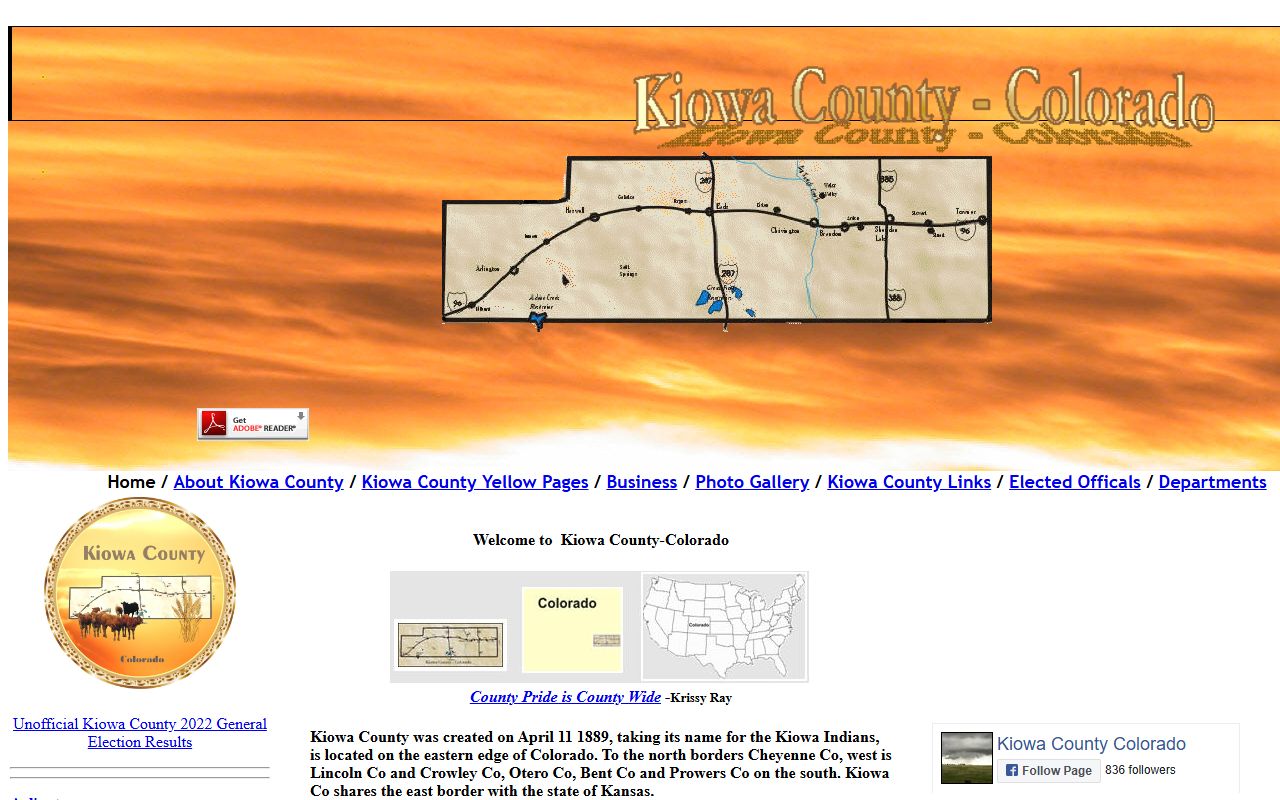
The Kiowa County Sheriff's Office website connects residents to public records and law enforcement services in this eastern plains community.
Tips for Using Kiowa County 72 Hour Booking Data
Start with correct spelling. Names in the system match booking documents. Try variations if your first search fails. Full legal names work best.
Check timing carefully. The 72 hour window moves constantly. Yesterday's booking may have dropped off. New arrests appear throughout the day. Note the booking timestamp.
Follow up on released inmates. The roster only shows current detainees. Release information may be available by phone. Court records show case outcomes.
Contact attorneys promptly if needed. Early intervention helps legal cases. Booking records inform defense strategies. Time matters in criminal proceedings.
Additional Resources for Kiowa County Records
The Colorado Judicial Branch provides court records. These complement booking information. Case numbers from bookings search court dockets. Hearing schedules appear online.
Victim services offer support. The district attorney's office assists crime victims. They explain the criminal process. Notifications about case updates help families cope.
Legal aid serves eastern Colorado. Colorado Legal Services assists eligible residents. They help understand charges and rights. Public defenders represent those who qualify.
Note: Always verify critical information through official sources rather than relying solely on third-party websites or aggregated databases.